
Ask someone to name a wine from Argentina and they will probably say Malbec. Ask where it comes from and the answer is usually Mendoza.
This guide covers where the region is, what shapes it and what grows there. Our vineyard is in Mendoza too, so we end close to home.
Where Mendoza is
Mendoza is a province in western Argentina. It sits at the foot of the Andes, along the border with Chile. The city of Mendoza is its capital, and the vineyards spread across the plains and valleys around it.
The mountains are the first thing you notice. On a clear day they fill the western horizon, often still white with snow well into spring. They shape almost everything about wine here.
Mendoza is Argentina's best-known wine region. It holds a large share of the country's vineyards and many of the wineries people outside Argentina will recognize.
Dry, sunny and bright
Mendoza is dry. The Andes block much of the rain that comes in from the Pacific, so the region sits in a rain shadow. Days are usually sunny and clear, and nights cool off.
For grapes, that combination matters. Sun helps the fruit ripen fully. Cool nights help it hold on to freshness. Dry air means less of the rot and mildew that trouble wetter regions.
With so little rain, vineyards rely on water from the mountains. Snowmelt from the Andes runs down through rivers and an old network of irrigation channels. Without it, much of this land would be close to desert. With it, the green of the vineyards stops sharply at the edge of the dry ground.
Weather is never fully predictable. Hail and frost are real concerns for growers here, and a warm, dry wind off the mountains can arrive at awkward moments. In broad terms, though, Mendoza is known for its reliable sun.
Malbec, the signature grape
Malbec has French origins. It came to Argentina generations ago and took to Mendoza in a way it rarely did anywhere else. Today it is the grape most associated with the region, and with the country. Our guide to the history of Malbec follows it from France to the Andes.
Mendoza Malbec is usually deep in color, with dark fruit and soft, round tannin. It is easy to like young, and it sits well with food, especially grilled meat. Our guide on what to pair with Malbec has plenty of ideas.
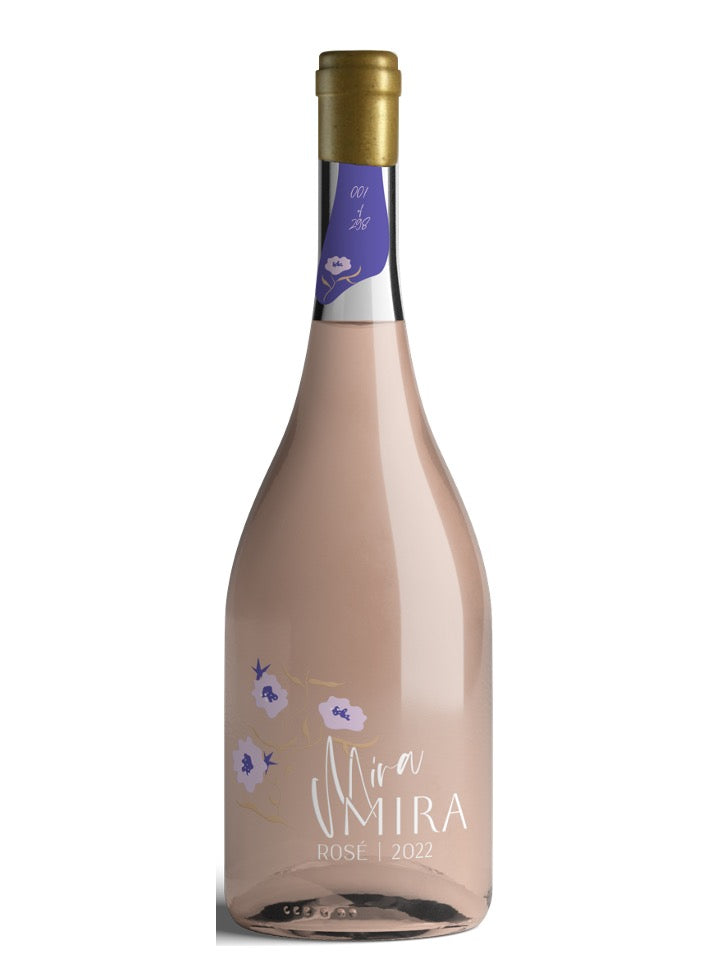
It isn't the only grape here. You will also find Cabernet Sauvignon, Bonarda, Chardonnay, Torrontés and many others, along with Rosé made from red grapes. But Malbec is the one the region is known for.
Sub-regions you will see on labels
Mendoza is large, and it is not one place. Growers and wineries talk about it in smaller pieces. Two names come up often.
Luján de Cuyo. Just south of the city of Mendoza, Luján de Cuyo is one of the region's traditional heartlands for Malbec. Many established vineyards are here, including a lot of older plantings. It is made up of smaller districts, each with its own name.
The Uco Valley. Further south and closer to the mountains, the Uco Valley has drawn a great deal of attention in recent decades. You will often see it, or the names of places within it, on labels.
Other areas have their own conditions and their own following, such as Maipú to the east and parts of the south of the province. When a label names a sub-region or a district rather than just "Mendoza," it is telling you more precisely where the grapes grew.
Perdriel
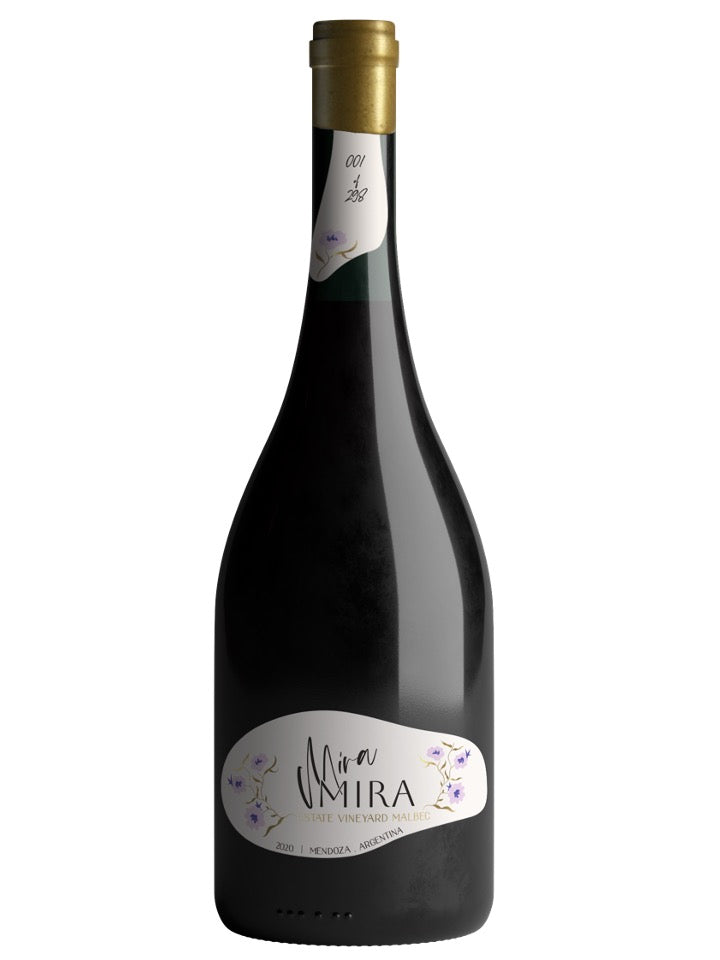
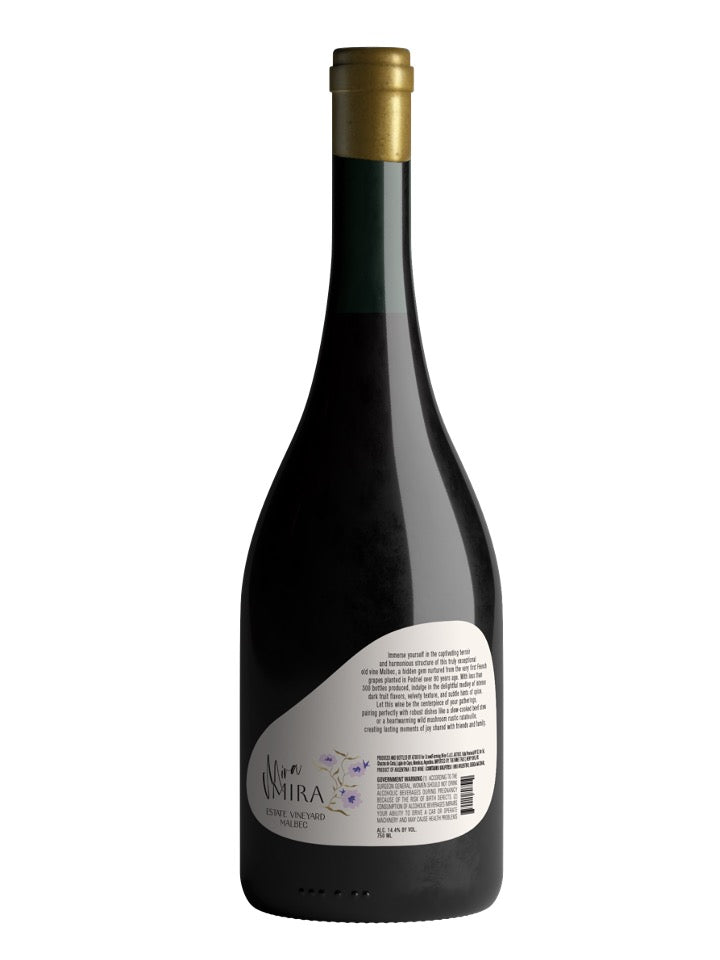
Perdriel is a district within Luján de Cuyo, and it is where our vineyard is.
Our vines there were planted in 1927. They turn 100 in 2027, and the harvest of early 2027 is their centennial. We keep notes from the vineyard through the seasons, starting with spring in Mendoza.
When to visit
Mendoza is in the Southern Hemisphere, so its seasons run opposite to North America and Europe. Spring arrives in September and October. Harvest falls in late summer and early autumn, roughly March and April.
Harvest is the busiest and most festive time in the region. Spring is quieter, with new green on the vines and snow still on the peaks. For the full year, month by month, see our Southern Hemisphere wine calendar.
How to read a Mendoza label
- "Mendoza" alone tells you the province. The grapes could come from anywhere in it.
- A sub-region, like Luján de Cuyo or the Uco Valley, narrows it down.
- A district or a single vineyard is the most specific of all.
- The vintage year on an Argentine wine refers to a harvest in the first months of that year.
Questions we get
What is Mendoza known for? Malbec. It is the grape most closely linked to the region, and Mendoza is where most of Argentina's best-known Malbec comes from.
Does it get hot in Mendoza? Summer days are warm, sunny and dry. Nights usually cool down, which growers value. Conditions vary a good deal from one part of the region to another.
What's the difference between Luján de Cuyo and the Uco Valley? Both are sub-regions of Mendoza. Luján de Cuyo sits just south of the city and is one of the traditional centers for Malbec. The Uco Valley lies further south, nearer the mountains. Each has its own districts and its own style.