
You have probably seen it on a label. "Old vine." Sometimes "vieilles vignes," or "viñas viejas." It sounds like it should mean something precise.
Usually it does not. It still tells you something, though, if you know how to read it.
No legal definition, in most places
In most wine regions there is no law that says how old a vine must be before a winery can call it old. One producer might use the phrase for vines a few decades old. Another might save it for vines planted generations ago.
A few regions have created voluntary charters or registers that set out age bands. These are the exception. Outside them, "old vine" is the grower's own word.
So read it as a signal, not a guarantee. Careful producers tell you more: the planting year, the vineyard, the variety. A date is more useful than an adjective.
What happens to a vine as it ages
A grapevine is a long-lived plant. Kept healthy and pruned carefully each winter, it can bear fruit for a very long time. Over those years, it changes.
The trunk thickens and twists. A young vine is a thin, straight stem tied to a stake. Decades later the trunk is gnarled and broad, closer to an old olive tree than a sapling, and every winter's pruning cut has left a mark in the wood.
The roots go deep. A young vine's roots stay fairly near the surface. With time they work their way down, where they can reach water that shallow roots cannot. That tends to make an old vine steadier through a hot or dry season.
The crop usually gets smaller. Old vines often carry fewer bunches, and the bunches and berries are often smaller. Less fruit per vine is a cost for the grower. It is also why many people seek these vines out.
And they need more care, not less. Old vines can be more vulnerable to disease and damage, and losing one is not a small thing. Decades of growth cannot be replanted.
None of this is exact. Variety, climate, how the vine was trained and how it has been farmed all matter. But growers see these patterns again and again.
To see it up close, read our field note what a century does to a vine.
Why growers value old vines
If old vines give less fruit and need more attention, why keep them?
- Concentration. Many growers believe a smaller crop gives fruit with more intensity. You will hear it in vineyards around the world.
- Balance. Deep-rooted vines tend to ride out swings in the weather more calmly. Growers often call them self-regulating.
- Character. A vine that has lasted for decades has proven itself suited to its place. That is hard to plant from scratch.
- Continuity. An old vineyard is a link to whoever planted it. Many families keep theirs for that reason alone.
Old vines are not automatically better. A young vine in a good site, well farmed, can make a lovely wine. Age is one ingredient, not the whole recipe.
Some grapes have a long history of old plantings in particular places. Malbec in Mendoza is one. The history of Malbec tells that story.
How to read an old vine label
When you see the phrase on a bottle:
- Look for a planting year. It tells you far more than "old" alone.
- Look for a single vineyard name. Old vines are usually tied to a specific place.
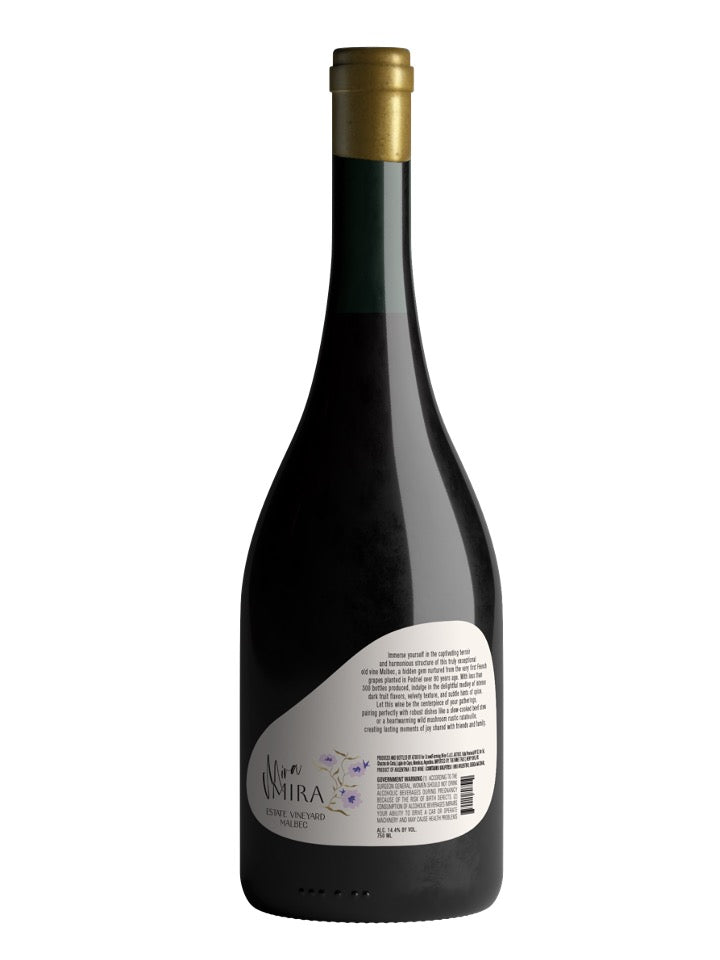
- Check the back label or the producer's site. Growers who are proud of their old vines tend to say so in detail.
- Treat it as a starting point. Then taste and decide for yourself.
Our vines
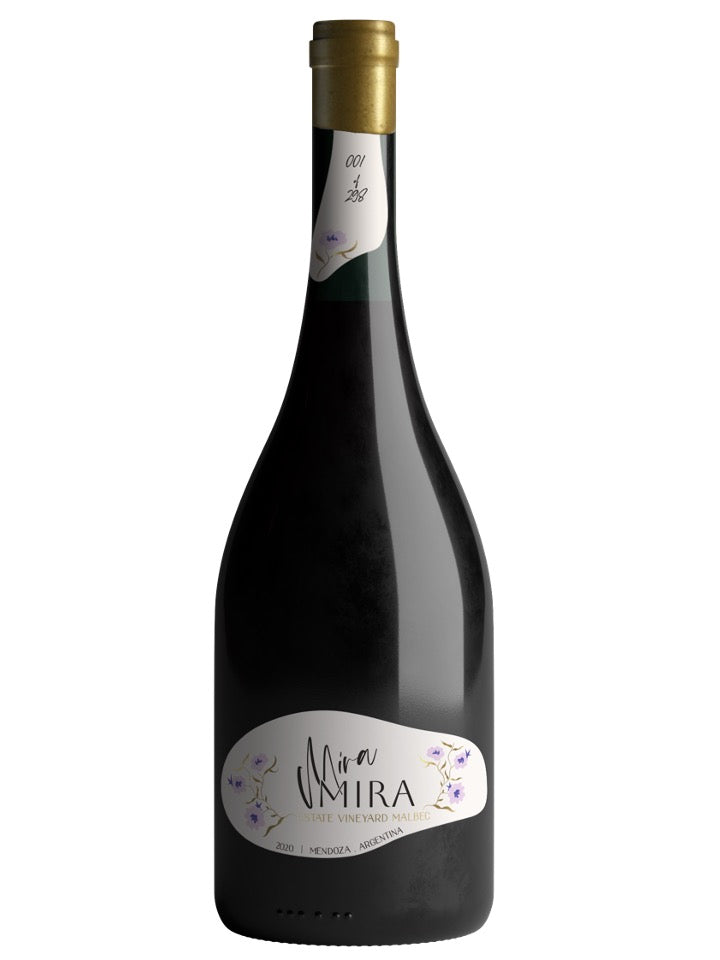
Our vineyard is in Perdriel, in Mendoza, Argentina. The vines there were planted in 1927. In 2027, they turn 100.
Their centennial harvest comes in early 2027, at the end of the Southern Hemisphere summer. If that timing seems backwards, our Southern Hemisphere wine calendar walks through the vine's year, month by month.
Our job is to look after them. Nothing about that is quick.
Questions we get
How old does a vine have to be to count as "old vine"? In most places there is no set age. Some producers use the term for vines a few decades old, others only for much older plantings. A planting year on the label is the clearest answer.
Do old vines make better wine? Not automatically. Many growers believe old vines give more concentrated, balanced fruit. Site, farming and winemaking matter just as much.
How long can a grapevine live? With good health and careful pruning, many decades, and some vines well beyond a century. Disease, weather and replanting decisions usually end a vine's life before old age does.