
Rosé has a reputation as a summer wine, something for a porch and a hot afternoon. It's good there. But dry Rosé is also one of the most flexible wines you can put on a dinner table, and that doesn't change with the weather.
What follows is how we pair it, season by season. Every bottle is its own wine, so take these as rules of thumb.
Why dry Rosé is so easy to pair
Dry Rosé sits in the middle. It usually has the fresh acidity of a crisp white and some of the red fruit and presence of a light red. That middle ground is what makes it useful.
Two of our fall pairing rules explain most of it. Acid with acid: tomato, vinaigrette, citrus and cranberry make a soft wine taste flat, and a Rosé with fresh acidity keeps up. Match the weight: Rosé suits lighter and medium dishes like salads, fish, chicken, pork and vegetables, and it gets lost next to a big steak.
Summer favorites
These are the pairings most people already know.
- Salads with vinaigrette, especially with tomato, cucumber or herbs.
- Grilled fish and shrimp, with lemon and olive oil.
- Mezze and tapas: hummus, olives, grilled vegetables, marinated peppers.
- Light pasta with tomatoes, garlic and basil.
Fall, too
Fall food gets richer, but not every plate turns into a braise. Think of the weeknight dinners between the big ones: a tray of roasted vegetables, a chicken in a hot oven, a pot of soup on the stove. Those are Rosé dinners.
- Roast chicken with herbs and lemon.
- Pork loin or chops, especially with apples, cider or a mustard glaze.
- Roasted squash and root vegetables, with a little sage or thyme.
- Tomato soups and stews, where acid meets acid.
- Salmon, roasted or grilled.
Thanksgiving
Rosé might be the most useful bottle at Thanksgiving. Turkey is mild and lean, and the plate is full of bright, tart things that can trip up a heavy red. It's at home with the white meat, where a red can feel too heavy, and with the cranberry sauce, which is tart and sweet at once. Green beans, Brussels sprouts and salads are easy. So is a glazed ham, where salt and sweetness meet.
We usually suggest two open bottles for the holiday, a Rosé and a red. Our Thanksgiving wine pairing guide goes course by course.
Cheese
Rosé is easy with cheese, especially fresher, softer styles: fresh goat cheese with its tang, salty and bright feta, Brie and other soft-ripened cheeses, a young Manchego or a mild Gruyère.
For older, harder cheeses, a red usually does better. Our wine and cheese board guide covers how to build a board with both.
What to keep away from Rosé
- Big, fatty red meat, like a ribeye or a braise. A fuller red matches it better.
- Very sweet desserts. Sweetness makes a dry wine taste sharp.
- Heavy cream sauces. They blur a Rosé's freshness. A Chardonnay or a soft red is often the better match.
How to serve it
Serve Rosé cold, around 45 to 55°F. A bottle straight from the fridge sits at the low end, and it warms a few degrees in the glass. If it feels too cold to taste much, give the bottle ten minutes on the table before you pour.
Our Rosé
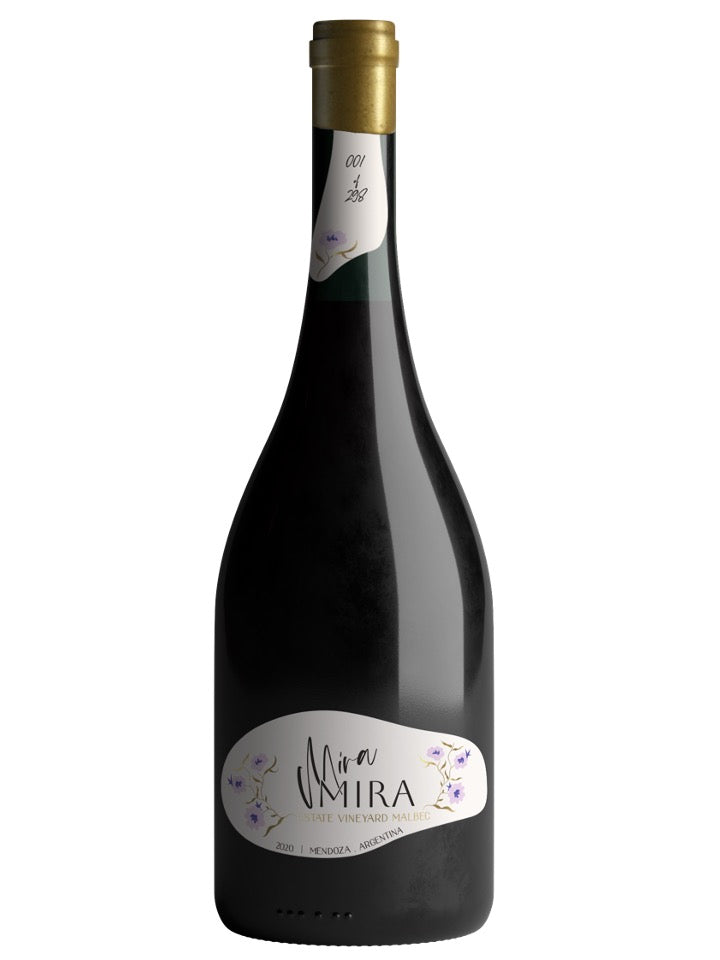
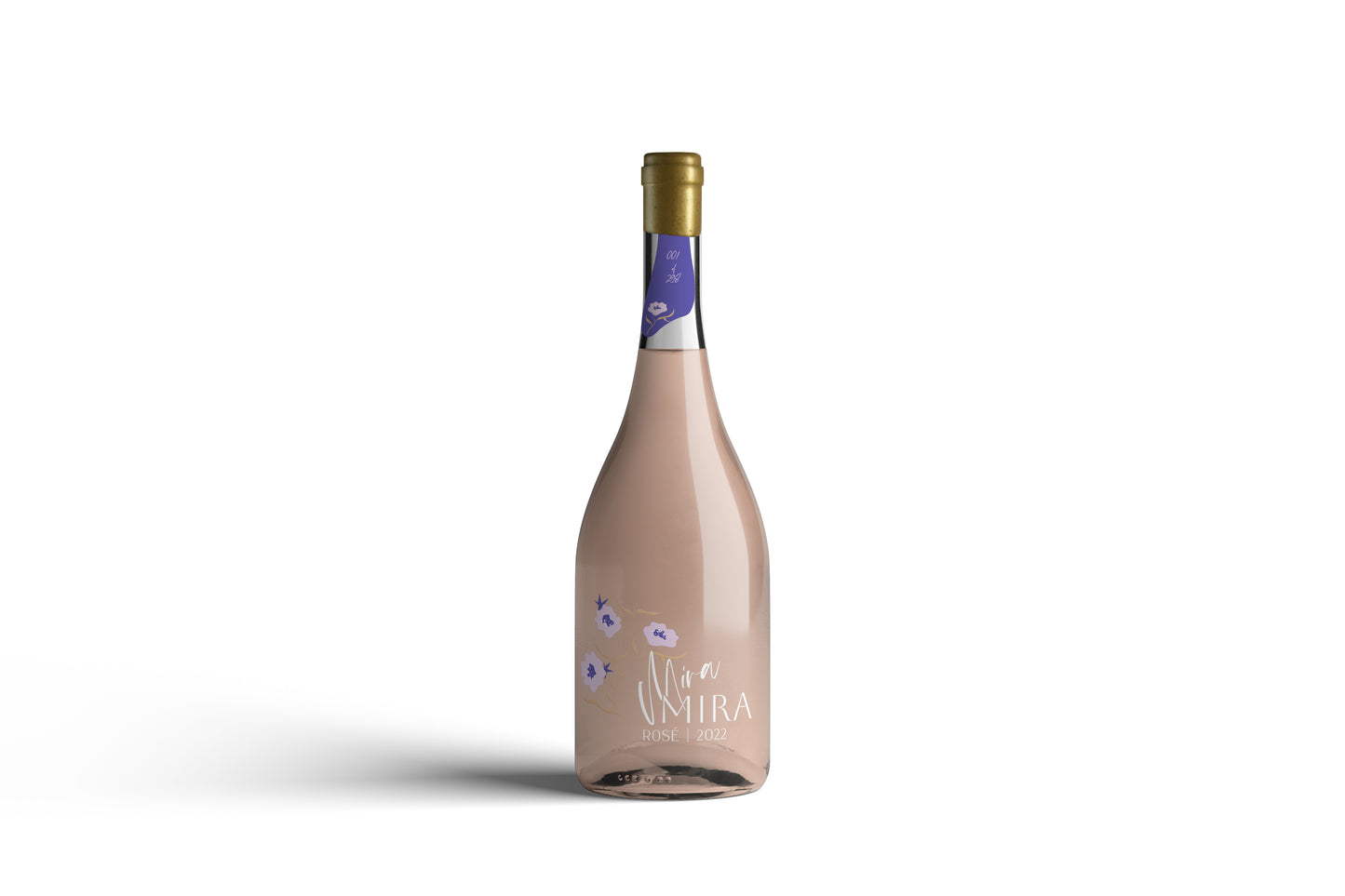
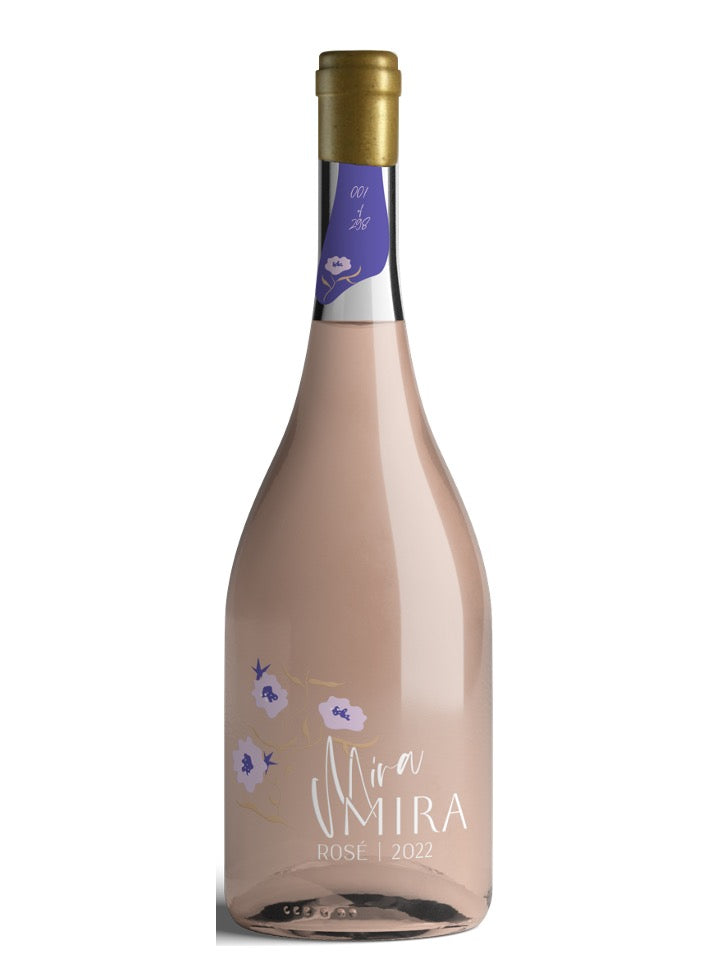
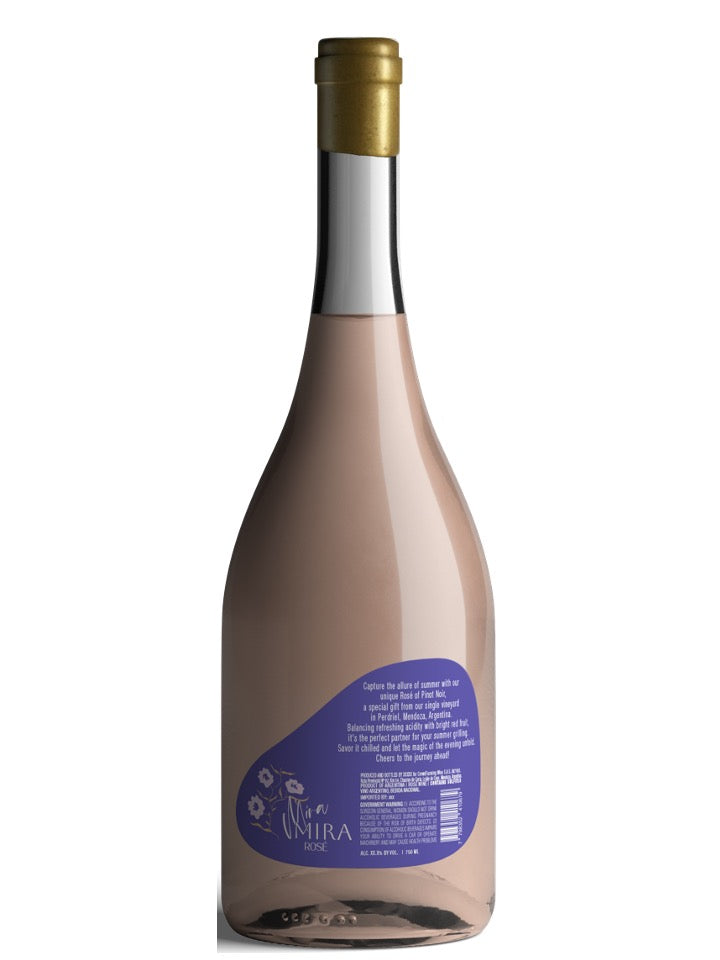
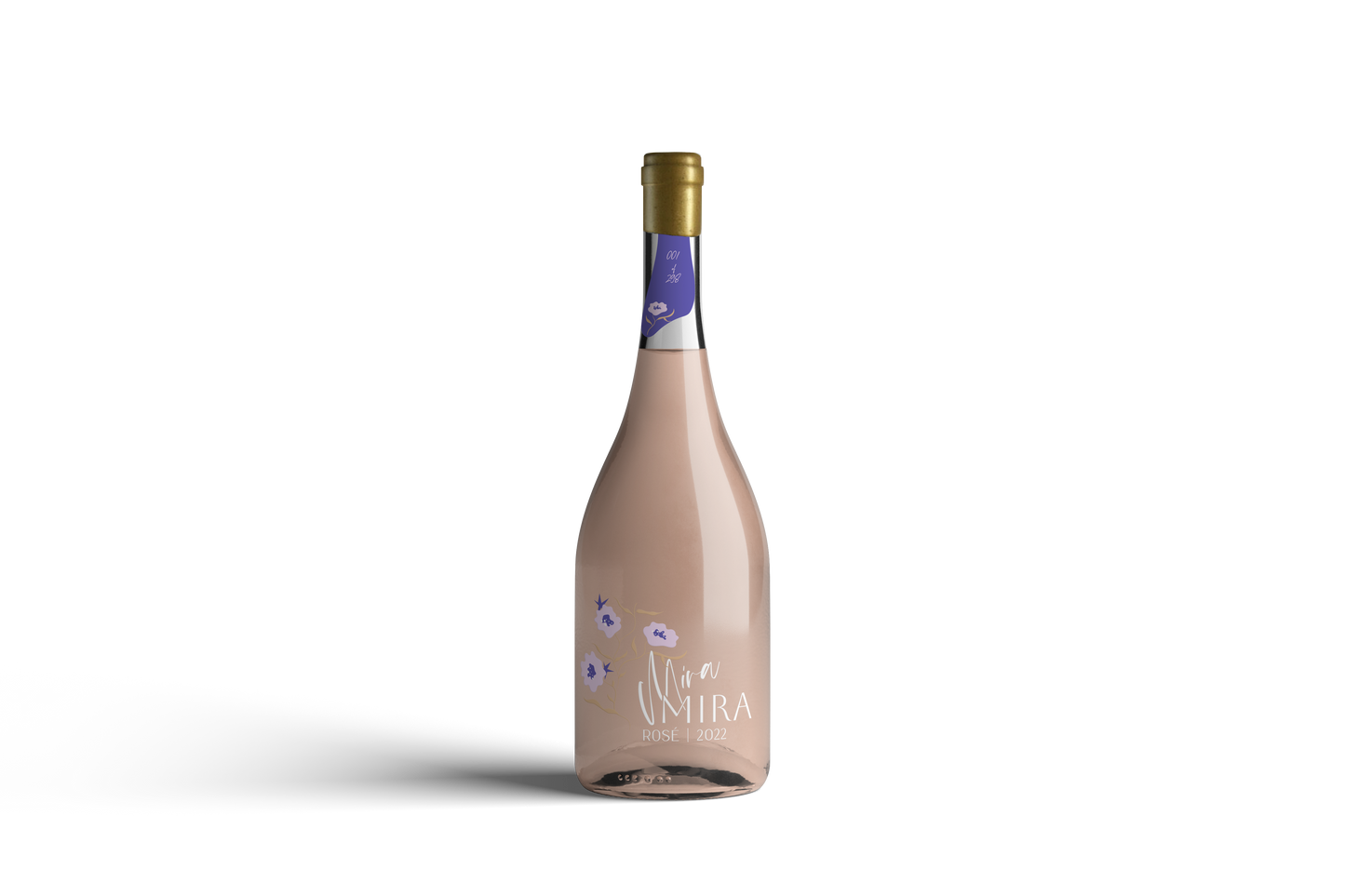
We make Rosé from our vineyard in Perdriel, Mendoza, from vines planted in 1927. It's the bottle we'd open for roast chicken on a Sunday or the turkey in November. You can find Mira Mira Rosé here.
Questions we get
What food goes with Rosé? Salads, grilled fish and shrimp, roast chicken, pork, tomato dishes, mezze and fresh cheeses. Dry Rosé is at its best with lighter and medium-weight food.
Isn't Rosé just a summer wine? No. Its fresh acidity and moderate weight suit plenty of fall food, from roast chicken and pork to roasted squash and the Thanksgiving table.
Can I serve Rosé with turkey? Yes. Turkey is mild and lean, and Thanksgiving sides are tart and bright. A dry Rosé handles both, especially the white meat and the cranberry sauce.