
When the weather turns, dinner slows down. More roasting, more braising, a little smoke from the grill or the fireplace. The food gets richer, and the wine on the table usually follows.
Fall pairing doesn't need a chart on the fridge or a long list of exceptions. We come back to four rules of thumb. They won't cover every plate, but they get most dinners most of the way. Each rule below comes with a handful of dishes and the styles that tend to suit them.
Rule 1: Match the weight
Light dishes go with lighter wines. Rich, slow-cooked dishes want fuller ones. An easy way to remember it: the longer the oven stays on, the deeper the bottle.
Weight is how a food or a wine feels in your mouth. It has nothing to do with color. A delicate fish and a heavy red cancel each other out, and a slow braise can make a light white taste thin.
- Green salad with herbs: a crisp white like Sauvignon Blanc, or a dry Rosé.
- Roast chicken: Chardonnay or a dry Rosé, or Pinot Noir if you want red.
- Pork tenderloin with roasted squash: Pinot Noir or Merlot.
- Braised short ribs or a steak: a fuller red, like Malbec or Cabernet Sauvignon.
Rule 2: Pair to the sauce, not the protein
Chicken with lemon and chicken with mushroom gravy are two different dinners. The protein is often the mildest thing on the plate. Most of the flavor comes from the sauce, the spices and the cooking method, so start there.
- Chicken piccata (lemon, capers): Sauvignon Blanc or a dry Rosé, to keep up with the citrus.
- Chicken in a creamy mustard or mushroom sauce: Chardonnay, or a soft red like Pinot Noir.
- Pork with an apple and cider glaze: Rosé or a light Pinot Noir.
- Pasta with a long-cooked meat ragù: Merlot or Malbec.
Rule 3: Fat and red wine get along
Red wine gets its grip from tannin, the drying feeling on your gums. Fat and protein smooth that out. A wine that feels a little stern on its own often relaxes beside steak, cheese or a braise. It's one reason Malbec is so often poured with steak.
- Grilled ribeye: Malbec or Cabernet Sauvignon.
- Lamb shoulder, slow roasted: Malbec, Cabernet or Merlot.
- Aged hard cheeses: most medium to full reds, Merlot through Cabernet.
- Burgers off the grill: Malbec or Merlot.
Rule 4: Acid with acid
Tomato, vinaigrette and cranberry want a wine with fresh acidity. Put a soft wine next to a sharp dish and the wine tastes flat. Brighter styles hold their own.
- Tomato-based stews and pasta: Pinot Noir or a dry Rosé.
- Salads with a sharp vinaigrette: Sauvignon Blanc or a dry Rosé.
- Cranberry sauce and the Thanksgiving plate: dry Rosé or Pinot Noir.
- Goat cheese and roasted beets: Sauvignon Blanc or Rosé.
The Pairing Scale, on one page

Plate II, The Pairing Scale, puts the whole idea in one picture. Seven wine styles run from light to rich: Sauvignon Blanc, Rosé, Chardonnay, Pinot Noir, Merlot, Malbec and Cabernet Sauvignon. Fall dishes sit along the same line, from a green salad at the light end to steak at the rich end.
Find your dish, then look straight across to the styles nearby. Then check the other three rules. If the sauce is bright with tomato or citrus, lean a step toward the fresher styles. If the plate is rich with fat, a firmer red will usually feel at home.
The two styles we make are marked with a dagger (†), with the footnote "The two we make." Rosé sits toward the light end and Malbec toward the rich end. Between them, they cover a good part of a fall table.
Our two
We make wine from our vineyard in Perdriel, Mendoza. The vines were planted in 1927 and turn 100 in 2027. Their centennial harvest comes in early 2027.
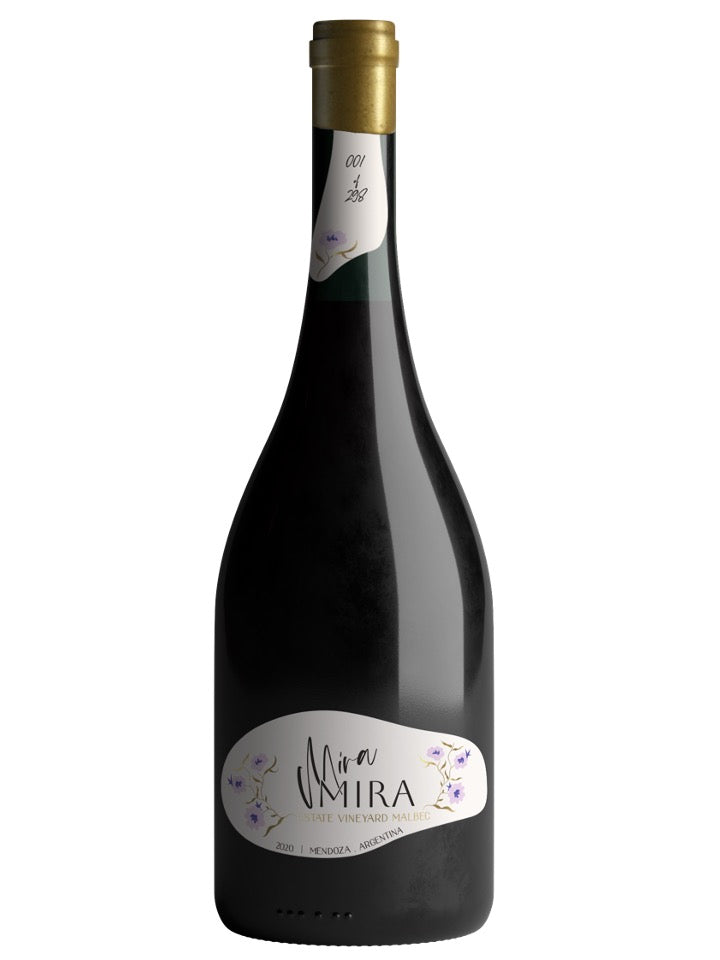
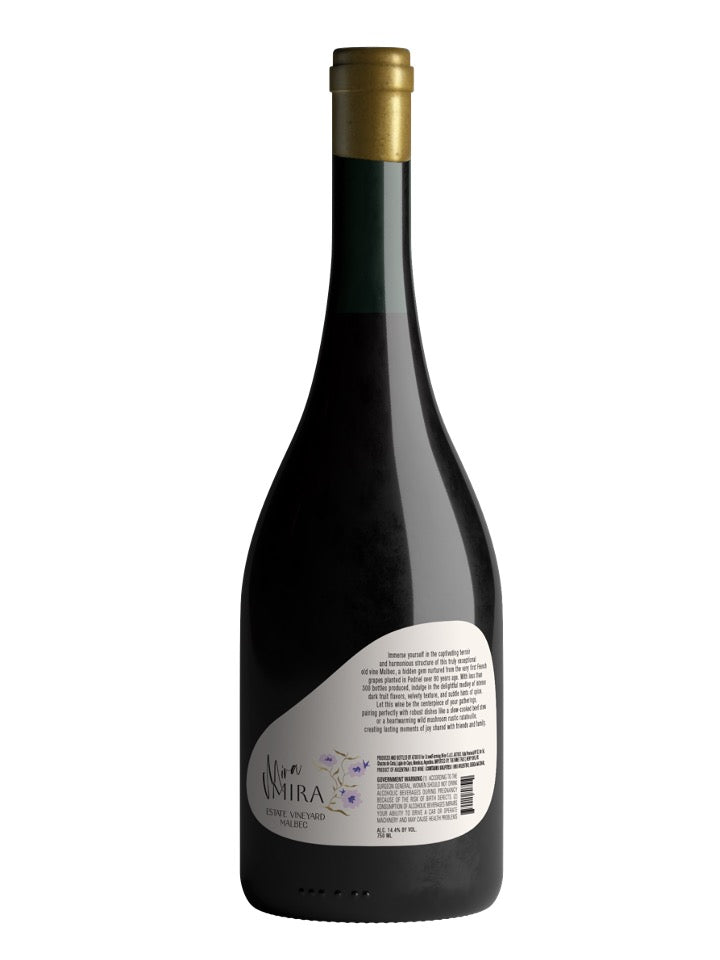
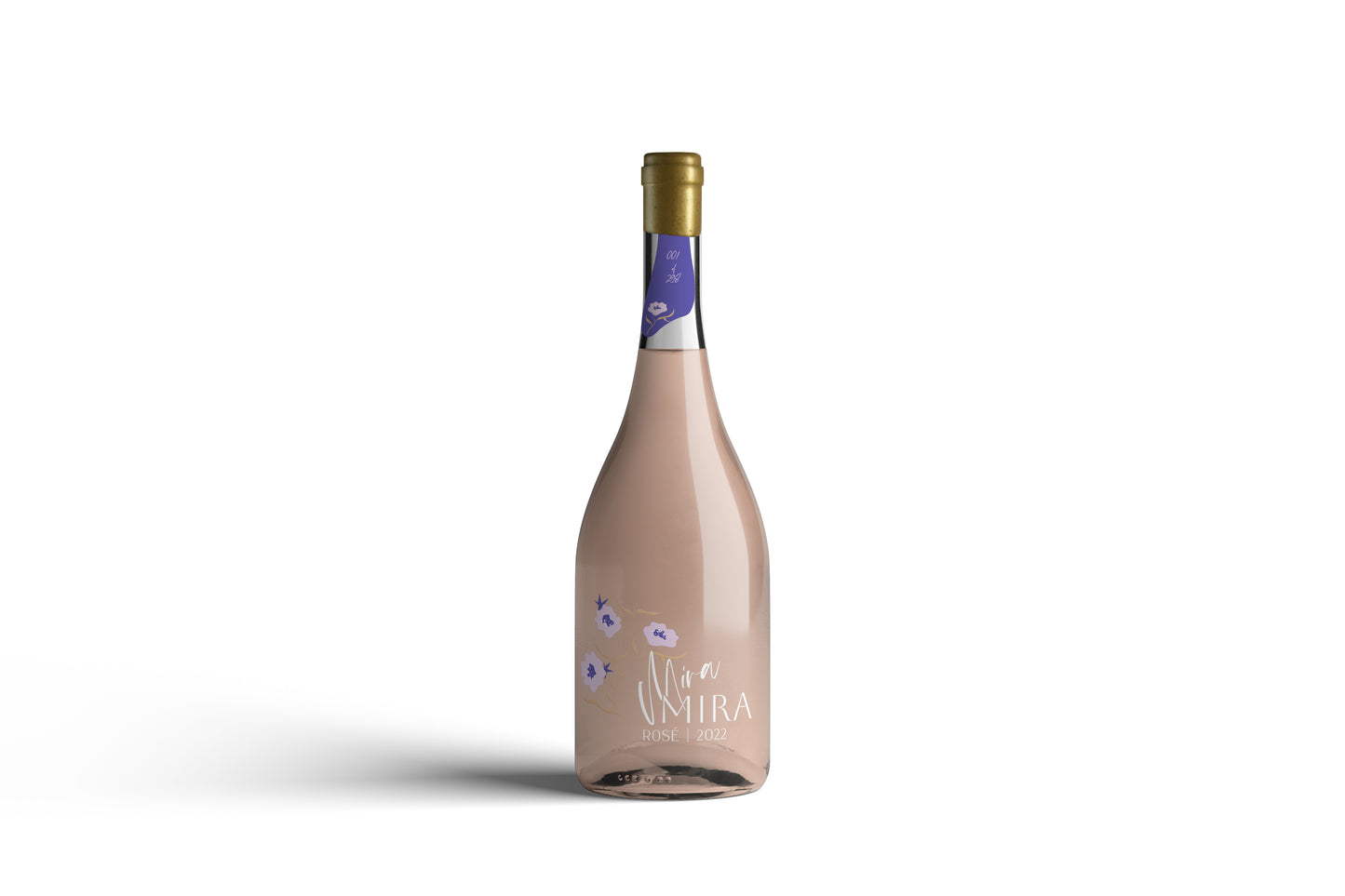
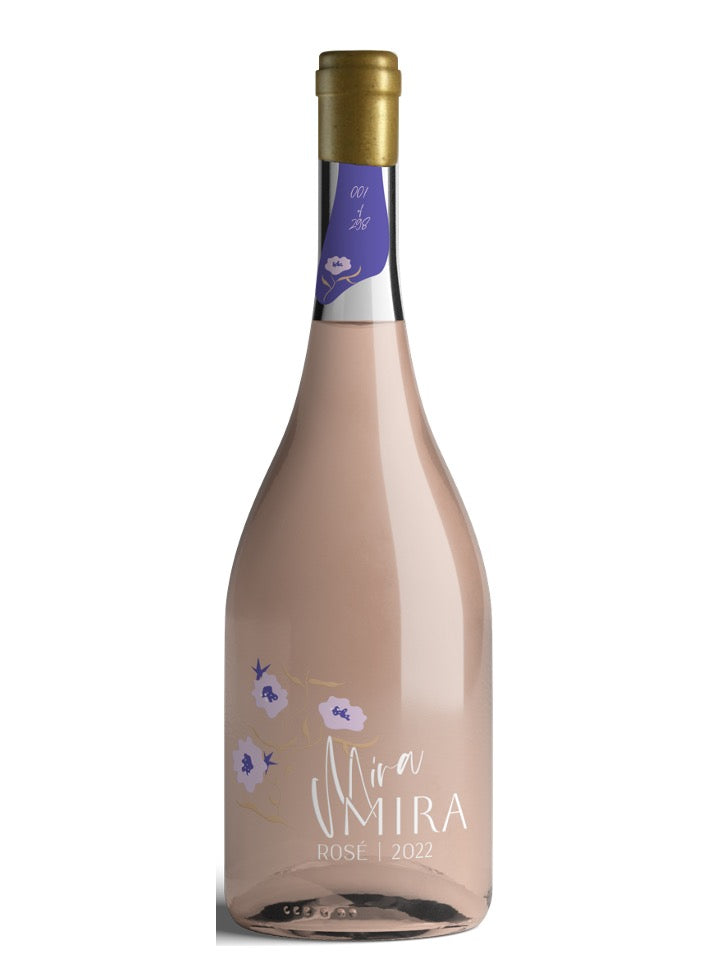
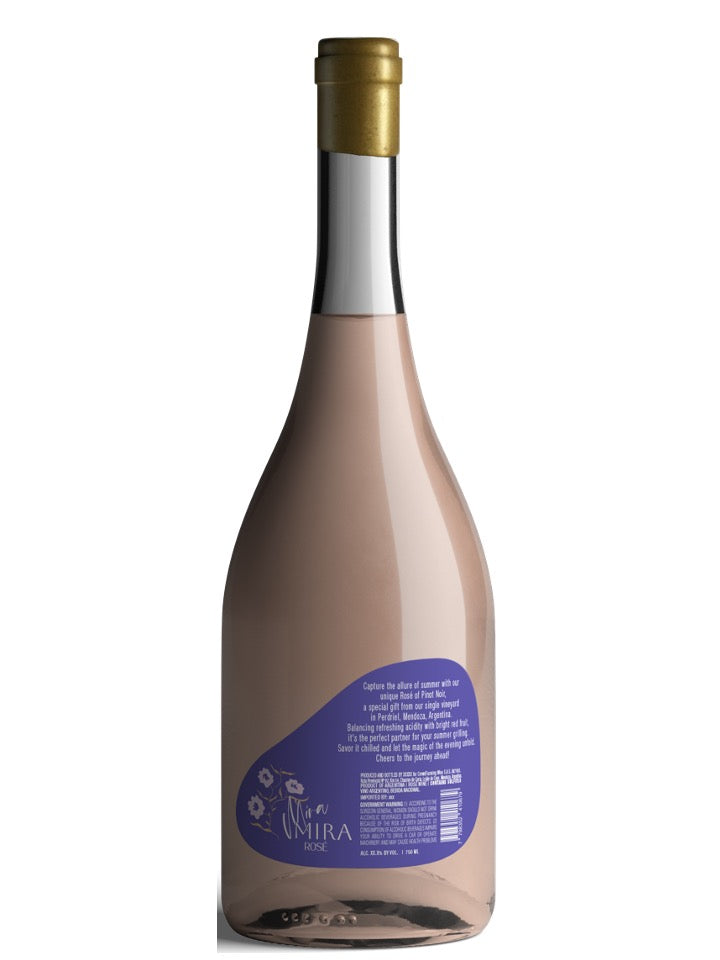
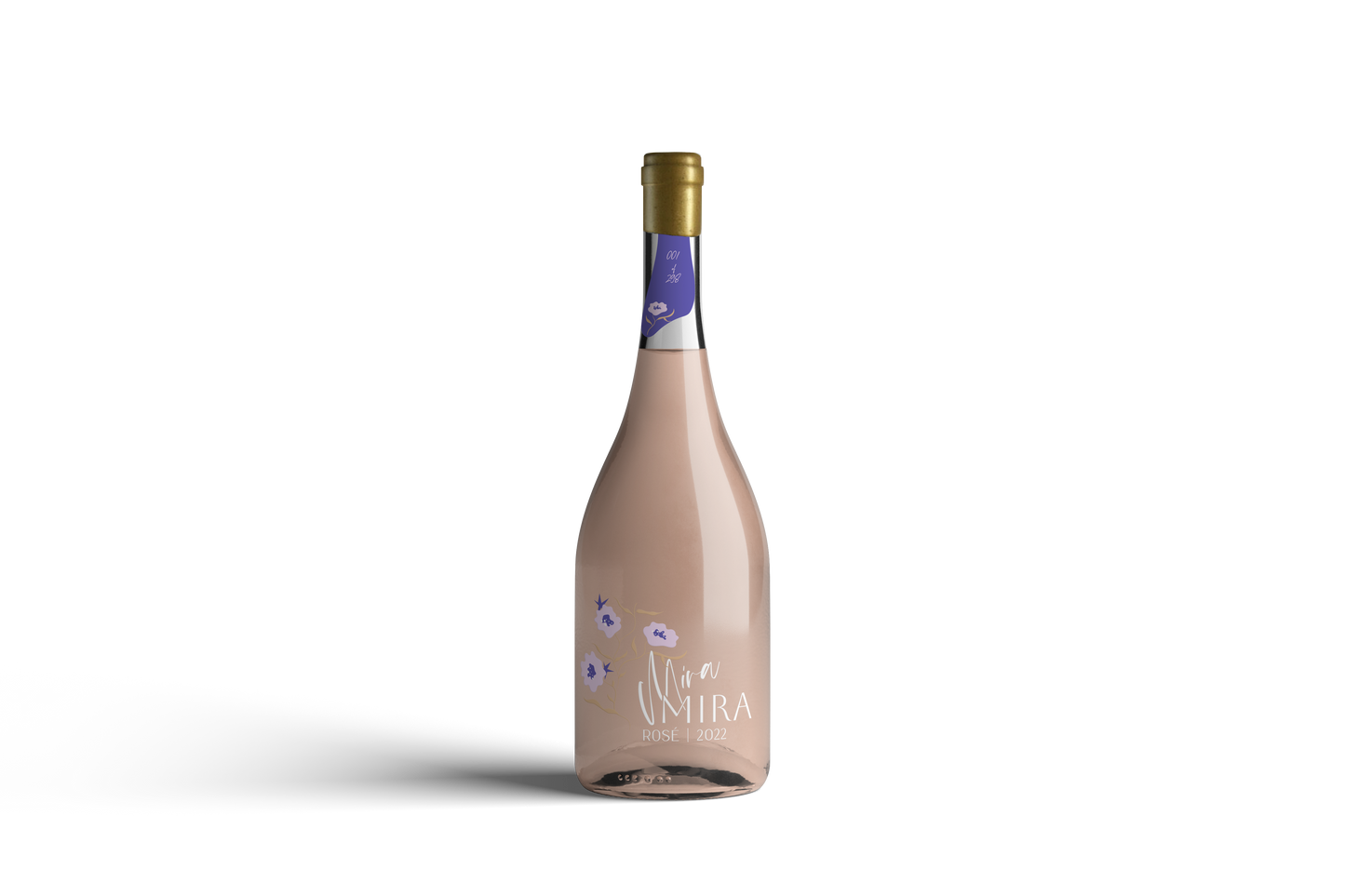
There are two styles from those vines. Mira Mira Rosé belongs at the lighter end of the scale, with salads, roast chicken, turkey and anything with cranberry or tomato. Mira Mira Malbec belongs at the richer end, with steak, braises, mushrooms and the second plate of leftovers. Set one of each on the table and most of the rules above take care of themselves.
Questions we get
What's the one wine that goes with everything in the fall? There isn't one. A dry Rosé and a medium to full red come close as a pair, though. The Rosé takes the lighter, brighter dishes and the red takes the rich ones.
Does red wine always have to go with red meat? It's a fair starting point, because fat and protein soften a red's tannin. But the sauce matters more than the meat. Steak with a bright salsa verde can work with a dry Rosé, and salmon with a mushroom sauce can work with Pinot Noir.
Is it strange to drink Rosé in the fall? Not at all. Dry Rosé has the fresh acidity that tomato, cranberry and vinaigrette call for, and enough presence for roast chicken or turkey. It isn't only a summer wine.
Keep reading
- Thanksgiving Wine Pairing: What to Pour with Turkey and Every Side
- What to Pair with Malbec
- What to Pair with Rosé (Yes, in Fall Too)
- Malbec vs. Cabernet Sauvignon: How They Differ
- What "Old Vine" Means on a Wine Label
- A Short Guide to Mendoza Wine Country
- The Vine's Year in Mendoza: A Southern Hemisphere Wine Calendar
- How to Serve Red Wine: Temperature, Air and Glasses
- How to Build a Wine and Cheese Board for Fall